Figuring out how to price a spare room for rent is the decision that determines whether your room sits empty or fills quickly with a quality tenant. Price too high and you get ignored. Price too low and you leave money on the table, or, worse, attract the wrong applicants. The right price sits at the intersection of your local market, your room’s specific characteristics, and what you include in the rental. This guide gives you a clear method for arriving at that number with confidence.
Pricing is just one piece of the puzzle. Once the enquiries start arriving, our guide on how to screen tenants safely covers the next step, and the tax guide for spare-room income covers what happens after they move in.
Start With Market Research
Before you pick a number, you need to understand what comparable rooms in your area are renting for right now. Market research does not need to be complicated. Here is a practical method that takes about 30 minutes:
Step 1: Search Active Listings in Your Area
Search for room rentals in your specific neighbourhood or postcode on listing platforms and note the asking prices. Pay attention to rooms that match yours in key ways: similar size, similar area of the city, similar bill-inclusion status. Aim to review at least 10 comparable listings.
Step 2: Note What Is Included
For each listing you review, note what the price includes. Bills-included rooms command a premium over bills-excluded rooms, so you need to compare like with like. A room listed at £800/month all-inclusive is not the same as a room listed at £700/month plus utilities averaging £150/month.
Step 3: Identify the Range and the Midpoint
From your 10+ comparables, identify the low end, the high end, and the midpoint. Most providers should aim to price near the midpoint, then adjust up or down based on the specific strengths or limitations of their room. The midpoint is your anchor, not the highest price you see advertised.
Step 4: Check How Long Listings Stay Active
A room that has been listed for six weeks without moving is probably overpriced for the market or has a listing problem (poor photos, incomplete description). Rooms that disappear within a few days are priced at or below market. This context helps you calibrate.
Key Factors That Affect Room Rental Pricing
Every room is different. These are the factors that most significantly move the price up or down relative to the local midpoint.
Room Size and Natural Light
Square footage is the most fundamental pricing variable. A double room in the same flat commands significantly more than a single. Natural light, particularly direct sunlight, also adds value, especially for tenants who work from home.
Location Within the City
Proximity to transit (metro station, train station, bus routes), employment districts, and universities drives a significant premium. In London, a room two minutes from a Tube station may rent for 15-25% more than an equivalent room a 15-minute walk away. In New York, subway access is similarly valued.
Bills Included or Excluded
Bill-inclusive rooms are consistently preferred by tenants because they eliminate bill disputes and simplify budgeting. If you are including utilities (gas, electricity, water, broadband), you can generally charge a premium of 10-20% over the equivalent bills-excluded rate. Make sure you are genuinely covering your cost, use an average of your last 12 months of utility bills, divided by the number of occupants, to estimate the tenant’s share.
Furnished vs Unfurnished
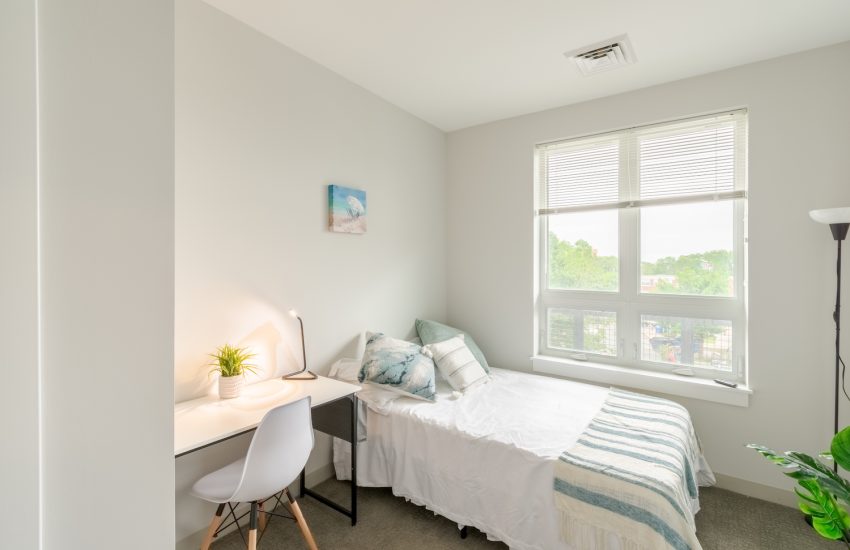
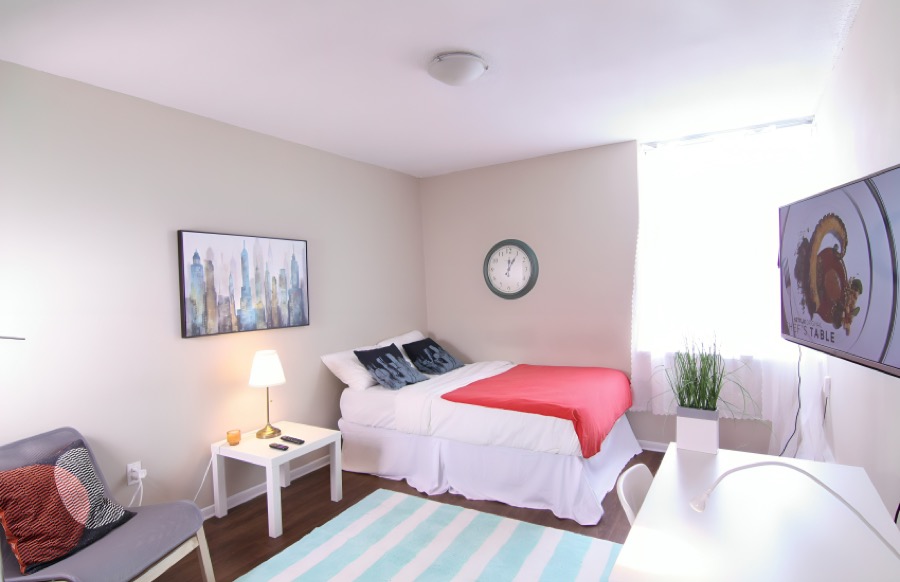
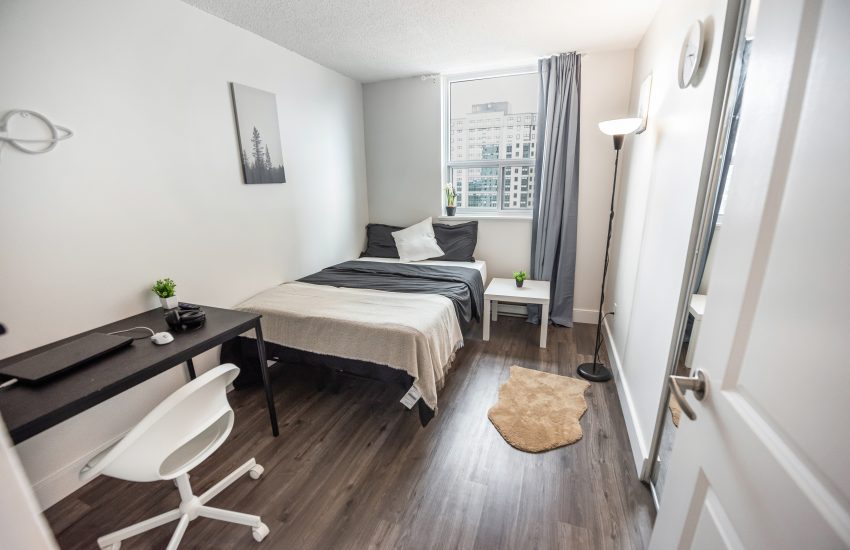
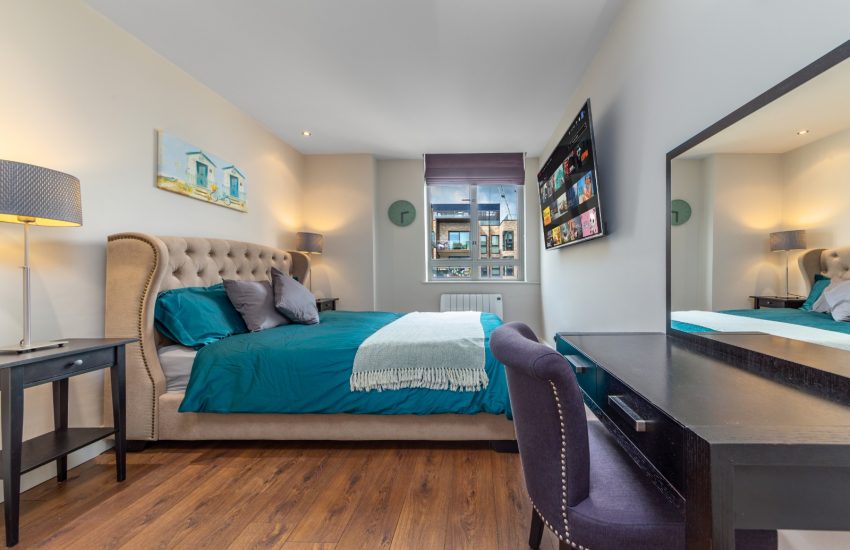
For room rentals (as opposed to whole-property rentals), furnished is strongly preferred and nearly always expected. A bare room with no bed, no storage, and no desk will struggle to rent at full market rate. Standard furnishing, bed, mattress, wardrobe, desk, chair, is the baseline. Above that, additions like a comfortable desk chair, blackout curtains, a bedside lamp, and a full-length mirror are low-cost touches that improve perceived value and justify a slightly higher price.
En-Suite vs Shared Bathroom
An en-suite bathroom is the single biggest individual amenity premium in room rentals. Depending on the market, an en-suite can add 15-30% to the base room price. Even a private bathroom (not attached to the room, but for your tenant’s exclusive use) commands a meaningful premium over a shared bathroom arrangement.
Access to Living Spaces
Does your tenant have full access to the living room, garden or outdoor space, and kitchen? Or is access restricted? Full shared access to a well-maintained living space adds value. A room with kitchen-only access in a house where the living room is reserved for the provider will rent for less than a room with full common area access.
Amenity Premiums: What Is Worth Charging More For
Not all amenities are worth building into the price. Tenants in 2026 expect certain things as standard, fast broadband, a clean kitchen, basic appliances, and you will not earn a premium for them; you will simply lose applicants if they are absent. The amenities that genuinely justify a higher price are:
- En-suite bathroom, the single highest-value amenity
- Parking space or garage access, particularly valuable outside dense urban cores
- Garden or private outdoor space
- Separate entrance (greater privacy for both parties)
- Home gym or shared leisure facilities (in larger properties)
- Cleaning service included in the rent (common in co-living but increasingly offered in private homes)
- Home office setup, dedicated desk, monitor, ergonomic chair, particularly valuable for remote workers
Seasonal Pricing: When to Adjust
Room rental demand is not uniform throughout the year. Understanding seasonal patterns helps you time your listing and set prices strategically.
Peak Demand Periods
In most markets, peak rental demand occurs in late summer and early autumn (August-October in the US and UK, September-November in Canada). This period coincides with the academic year start, which drives high demand from students and young professionals relocating for new roles or university. Rooms listed during this window can often command the top of the market range.
Lower Demand Periods
December through February is typically the lowest demand period across all three markets. If your room is vacant in January, pricing at the midpoint or slightly below and prioritising a quick fill is usually better than holding for a higher price and sitting empty for another month.
How to Adjust for Seasonality
You do not need to run a complex pricing algorithm. A simple approach: price at market midpoint during shoulder months (March-May and October-November), price at the top 25% of the range during peak months (August-September), and price at or slightly below midpoint if you are trying to fill in the December-February period.
Pricing for Short-Term vs Long-Term Rentals
Short-term room rentals (weekly or monthly) carry a premium over equivalent long-term rentals because the provider bears more vacancy risk and turnover costs. If you are offering a room on a short-term basis (one to three months), you can reasonably price 15-25% above the equivalent long-term monthly rate. Be clear in your listing about the minimum stay and your pricing structure, tenants searching for short-term accommodation are often willing to pay the premium, but they need to know the terms upfront.
Comparison Tools and Data Sources
Beyond manual listing searches, several tools can help you understand your local market:
- BookingQuad listing analytics: Once you list your room, BookingQuad’s Birdview Dashboard gives you real-time data on how many people are viewing your listing, saving it, or sending inquiries. If views are high but inquiries are low, price or description may be the issue. If views are low, the listing may need more visibility.
- SpareRoom’s Price Index (UK): SpareRoom publishes quarterly rental price data by city and area in the UK, useful for benchmarking your London or Manchester room.
- Zumper and Apartment List (US/CA): These platforms publish regular rental market reports for major US and Canadian cities that include room and shared housing data.
- Local letting agents (UK): A quick call to a local letting agent asking what single and double rooms are going for in your postcode will give you a fast market calibration.
Common Pricing Mistakes to Avoid
- Pricing based on what you need rather than what the market supports: Tenants do not know or care about your mortgage payment. The price must reflect market value.
- Ignoring bills when comparing: Always compare bills-included to bills-included when benchmarking.
- Setting and forgetting: Markets move. If your room has been listed for three weeks with no inquiries, reduce the price by 5-10% rather than waiting.
- Overpricing at launch: Your room gets the most visibility in its first week on any platform. Launching at the right price maximises that window.
- Not leaving room to negotiate: If you expect to negotiate, build in a small buffer. If you have priced tightly and fairly, state that your price is firm.
Frequently Asked Questions
How much should I charge for a spare room?
The right amount depends on your city, the size of the room, what is included, and current market conditions. Research at least 10 comparable active listings in your area to establish a local midpoint, then adjust up or down based on your room’s specific features. Furnished rooms with bills included and good transit access consistently command the highest rates.
Should I include bills in the rent?
Bills-inclusive pricing is preferred by most tenants and eliminates potential disputes about usage. Calculate your actual utility costs and add a modest buffer before setting your all-inclusive price. Alternatively, list bills-excluded at a lower base rate and agree on a fair split upfront in your tenancy agreement.
How often can I increase the rent?
Rent increases are governed by your tenancy agreement and local law. In most US states, you can increase rent with appropriate notice (typically 30 days) when a new tenancy term begins. In the UK, rent increases for periodic tenancies are governed by the Renters Rights Act 2025. In Canada, provincial rent control rules vary significantly. Always review local regulations before raising rent.
List Your Room at the Right Price on BookingQuad
A well-priced room listed on the right platform fills fast. BookingQuad gives you real-time listing analytics, direct tenant messaging, and a clean platform designed for serious room seekers, so when you price right, you will know it by the quality and speed of the inquiries you receive. List your spare room on BookingQuad and put your pricing strategy to work.
Disclaimer: Rental price data referenced in this guide reflects general market patterns as of 2026. Local market conditions vary. Always conduct your own research before setting a rental price. BookingQuad does not guarantee specific rental returns or income levels.