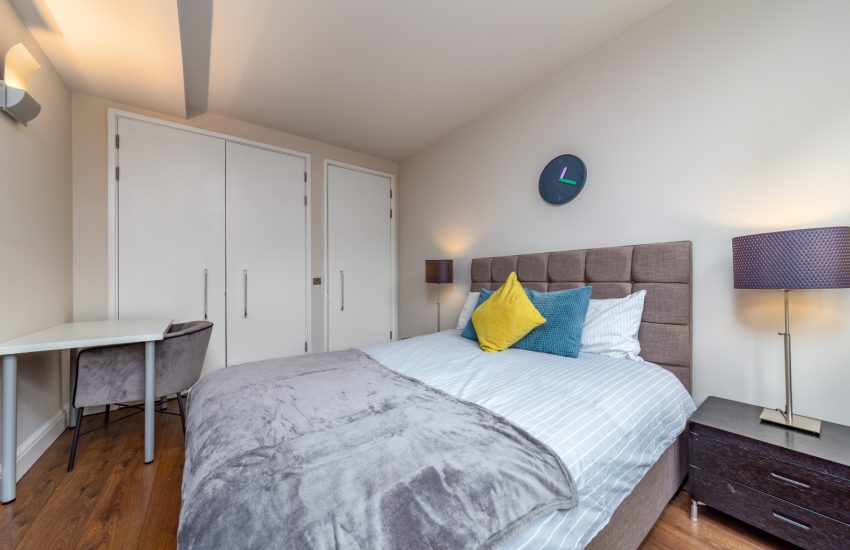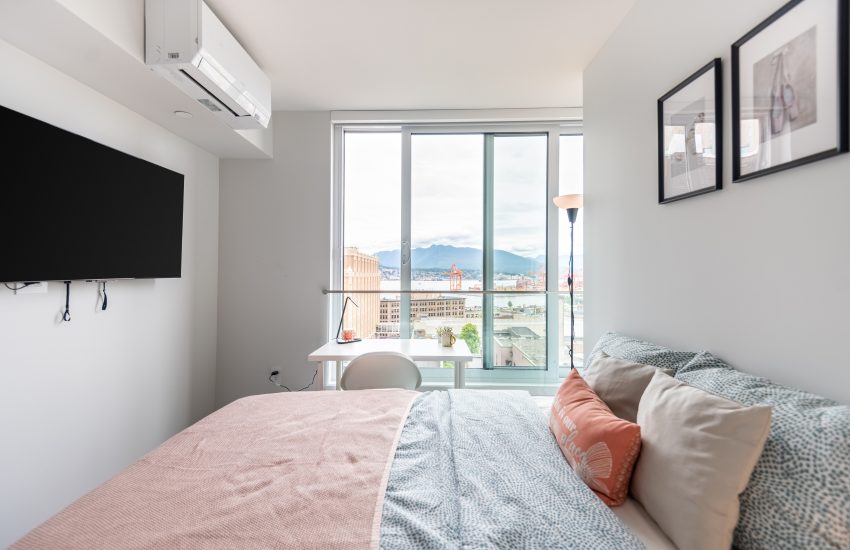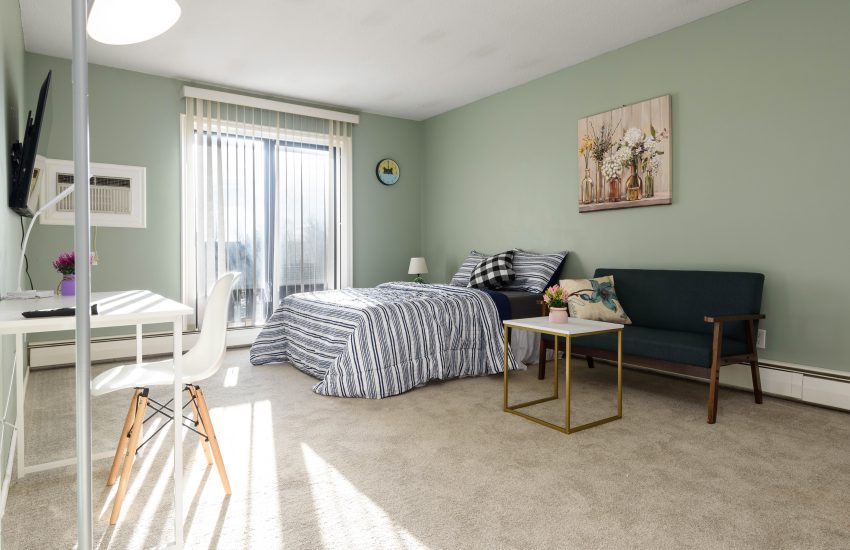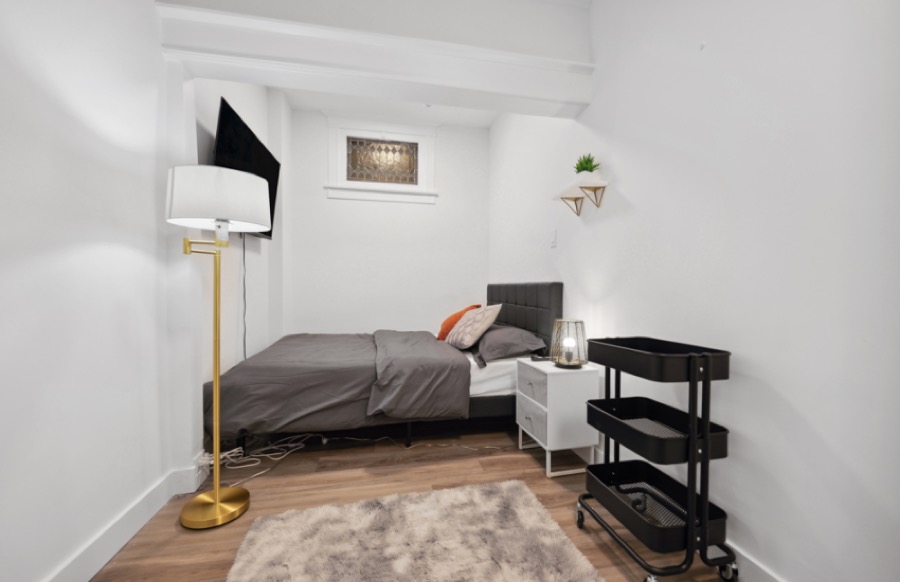
The renting a room vs apartment cost comparison looks straightforward on paper, a room in a shared house costs less than a private apartment, but the real calculation is more nuanced than the headline rent gap suggests. The right choice depends on your income, your lifestyle, how long you’re planning to stay, and what you actually value in a living situation. Get the analysis right and renting a room can save you $800-$1,500 a month in major US cities while still providing a comfortable, well-located home. Get it wrong and a lower rent figure obscures costs that make the room more expensive in practice.
This guide gives you a clear, honest side-by-side comparison across every relevant cost category, the real pros and cons of both options, and a practical framework for deciding which makes sense for where you are right now. For the full picture on renting a room, visit our complete guide to renting a room.
Side-by-Side: Monthly Housing Costs in Major US Cities
These are approximate market ranges as of early 2026. Actual prices vary substantially by neighborhood, building quality, unit condition, and what’s included. Always verify against current listings before building your budget.
| City | Private Room (Shared Home) | Studio Apartment | 1-Bedroom Apartment |
|---|---|---|---|
| New York City | $1,100-$1,800 | $2,400-$3,500 | $3,000-$4,500+ |
| Boston | $900-$1,500 | $2,000-$2,800 | $2,500-$3,500 |
| Washington DC | $900-$1,400 | $1,800-$2,600 | $2,200-$3,200 |
| Austin | $700-$1,100 | $1,400-$2,000 | $1,600-$2,400 |
| Miami | $800-$1,300 | $1,900-$2,800 | $2,200-$3,400 |
Prices are approximate market ranges for illustrative comparison only. Verify current listings before making financial decisions. Equal Housing Opportunity.
Across every city, renting a private room in a shared home costs roughly 40-60% of a comparable studio apartment. That gap is consistent and meaningful regardless of which market you’re looking at.
Full Cost Breakdown: Renting a Room
What’s Typically Included in a Room Rental
- Private bedroom (your own space, with a lockable door in most cases)
- Shared access to kitchen, living room, and bathroom(s)
- Often: utilities included or split among housemates at a low per-person cost
- Often: furnished, bed, desk, wardrobe at minimum, which eliminates a significant upfront furniture expense
- Sometimes: wifi included in rent, basic kitchen supplies available for shared use
True Monthly Cost Example, Washington DC Room Rental
- Room rent: $1,100/month
- Utilities (not included, split 3 ways, estimated): $60/month
- Renter’s insurance: $15/month
- Laundry (if no in-unit access): $25/month
- Monthly transit pass (WMATA): $110/month
- Total estimated monthly cost: approximately $1,310
Upfront Move-In Costs, Room Rental
- Security deposit: $1,100 (one month’s rent, capped at this in DC)
- First month’s rent: $1,100
- Last month’s rent (if required): $1,100
- Moving costs (lighter for furnished room): $200-$400
- Total move-in capital required: approximately $2,400-$3,700
Full Cost Breakdown: Renting a Studio Apartment
What’s Typically Included in a Studio Rental
- Your own self-contained unit, private bathroom, kitchen, living and sleeping area
- No shared living spaces with other tenants
- Usually unfurnished in the US market
- Utilities billed separately and entirely your responsibility
- Sometimes: parking, in-unit laundry, typically at a premium price point
True Monthly Cost Example, Washington DC Studio Apartment
- Rent: $2,100/month
- Electricity: $80/month
- Gas or heating: $60/month
- Internet: $60/month
- Renter’s insurance: $20/month
- Laundry (coin or laundromat): $30/month
- Monthly transit pass (WMATA): $110/month
- Total estimated monthly cost: approximately $2,460
Upfront Move-In Costs, Studio Apartment
- Security deposit: $2,100
- First month’s rent: $2,100
- Last month’s rent: $2,100
- Furniture (bed, desk, couch, kitchen essentials): $1,500-$3,000 new; $400-$800 secondhand
- Moving costs: $400-$800
- Total move-in capital required: approximately $8,200-$10,100
The Annual Savings Gap
In the Washington DC example: $2,460 (studio) minus $1,310 (room) equals $1,150 per month saved by renting a room instead. Over 12 months, that’s $13,800 in savings, before accounting for the dramatically lower upfront costs. Across five years, the compounded effect of that monthly savings gap is the difference between a meaningful investment account or emergency fund and living paycheck to paycheck while building someone else’s equity.
Even in more affordable markets like Austin, the gap between a room rental and a studio is typically $500-$800/month, $6,000-$9,600 per year that stays in your pocket. This is not a minor lifestyle difference. For anyone with financial goals beyond covering housing, the room rental math is consistently compelling.
Honest Pros and Cons: Renting a Room
Advantages
- Cost efficiency: 40-60% of apartment rent, the dominant financial advantage that compounds across months and years
- Lower move-in barrier: Smaller deposit, furnished options eliminate most furniture spend, lower upfront capital requirement
- Utilities often included or shared: More predictable monthly costs, lower per-person bills
- Built-in social environment: Particularly valuable when you’re new to a city and building a network from zero
- Flexibility: More short-term and month-to-month options than apartments, important for students, contractors, and anyone in transition
- Central access: In cities where studio apartments in desirable neighborhoods are $2,000+, rooms in the same neighborhoods often exist for $1,000-$1,400, giving you location access you couldn’t otherwise afford
Disadvantages
- Shared living spaces: The kitchen, bathroom, and living areas are shared with housemates, you lose full autonomy over those spaces
- Privacy limitations: Less privacy than a solo unit, with significant variance based on housemate personalities and house culture
- Housemate risk: A bad housemate can make even an excellent room an unpleasant living situation. The physical space and the social environment come as a package.
- Noise and schedule conflicts: Others’ late-night schedules, cooking times, and cleaning habits directly affect your daily life in ways that don’t exist in a solo apartment
- Limited customization: You cannot paint shared areas, rearrange furniture in common spaces, or make decisions about the household without housemate agreement
Honest Pros and Cons: Renting an Apartment
Advantages
- Full privacy and autonomy: Your home is entirely yours, your kitchen, bathroom, living space, your decisions about all of it
- Control over your environment: Set your own schedule, decorate however you want, host guests without coordinating, maintain the space to your own standard
- Stability and predictability: No housemate variables, your living quality is determined by your own behavior and your landlord, not by anyone else’s lifestyle
- Pet accommodation: Far more options for tenants with pets than shared housing situations, where housemates may have allergies or objections
Disadvantages
- Significantly higher cost: $800-$1,500+ per month more than a comparable room in the same city, a difference that is not trivial at any income level
- High move-in costs: Full deposit plus furniture is often $8,000-$10,000 before you’ve paid a single month of rent
- Full utility burden: 100% of all utility costs are yours, no splitting, no included utilities in most cases
- No built-in community: If you’re new to a city, a solo apartment gives you privacy but no immediate social context
Practical Decision Framework
Choose a Room If
- You’re relocating to a new city and want to learn neighborhoods before committing to a longer-term apartment
- You have financial goals, savings, debt repayment, investing, where an extra $800-$1,500/month makes a material difference
- You’re a student, recent graduate, or early-career professional where cost efficiency genuinely matters
- You’re in a transitional life phase: new job, new city, temporary assignment, or between longer-term situations
- You value the social environment of shared living, or are actively trying to build a network in a new place
Choose an Apartment If
- You’ve established yourself in a city, know where you want to live, and are planning to stay for two or more years
- Your income makes the apartment premium a small percentage of take-home pay and privacy genuinely matters to your productivity or wellbeing
- You have a pet, specific lifestyle requirements, or hosting needs that are incompatible with shared living
- You’ve had significantly negative housemate experiences and the privacy premium is worth its cost to you
- You’re in a life stage where stability, control, and permanence outweigh cost optimization
The Financially Honest Conclusion
In most major US cities in 2026, renting a room is the financially superior choice for anyone who isn’t in a life stage where the apartment premium represents a small fraction of their take-home income. The monthly savings are real, the upfront cost difference is dramatic, and for renters new to a city or actively managing financial goals, shared living often provides social benefits that a solo apartment simply can’t offer at any price point.
The apartment wins on privacy, autonomy, and lifestyle predictability. Those things have genuine value. But for the majority of people searching BookingQuad’s platform, students, young professionals, and new arrivals to a city, the room rental math is consistently compelling.
See what’s available in your city right now. Browse verified room listings on BookingQuad across our markets and compare your real options today.
The Hidden Value of Location Access
One dimension of the room vs apartment comparison that rarely appears in straightforward cost tables is location access. In most major US cities, the neighborhoods with the best walkability, transit access, and proximity to employment centers are also the most expensive rental markets. For a young professional starting out in a new city, a private studio in one of these neighborhoods may be financially out of reach, while a private room in the same neighborhood or a directly comparable one is not.
This means the room rental option doesn’t just save money. It often provides access to location advantages, shorter commutes, better transit connections, proximity to career networking opportunities, that a more affordable apartment in a peripheral neighborhood cannot. The room renter in Georgetown, Dupont Circle, or Capitol Hill in DC may be saving money, building their savings, and spending less time commuting compared to the apartment renter who chose a studio in a more distant suburb to reduce rent. When you account for all of these factors together, the room rental calculus looks even more favorable than the monthly rent comparison alone suggests.
Lifestyle Considerations Beyond Cost
The Housemate Variable
The most significant non-financial factor in the room vs apartment decision is the housemate relationship. Shared living is genuinely better than solo living for some people, particularly those who thrive with social energy, who are new to a city and want to build connections quickly, or who came from communal living environments at university or home. For these renters, a shared house with compatible housemates is not a compromise on lifestyle, it’s a genuine preference that also happens to be significantly cheaper.
For other people, those who prioritize solitude and quiet, who do their best work from home and need low-distraction environments, or who have had persistently negative shared living experiences, the apartment premium genuinely reflects value received. The honest assessment is that housemate compatibility is not something you can fully predict before moving in, which is part of why platform tools that help you understand the existing house culture and meet current housemates before committing are genuinely useful.
The Transition Efficiency Argument
For anyone relocating to a new city for work, study, or other reasons, renting a room for the first six to twelve months has a practical advantage beyond cost: it buys you time to learn the city before making a longer-term housing commitment. Many people who move into an apartment on arrival in a new city discover after three months that the neighborhood doesn’t suit them, the commute is longer than expected, or they’d actually prefer a different area. A room rental, particularly one with a shorter lease term, allows you to explore and orient yourself before making a commitment that’s expensive to exit.
Frequently Asked Questions
Is renting a room actually cheaper than an apartment when you include everything?
In most major US cities, yes, by a substantial margin. When you include utilities, the upfront cost differences, and the lower furniture requirement for furnished rooms, the true monthly cost of a shared room is typically 40-55% of a comparable studio apartment in the same area. The total first-year cost difference is often $10,000-$15,000 in expensive markets like New York, Boston, or San Francisco.
Is it safe to rent a room in a shared house?
Shared housing in a properly verified property with a formal lease is safe for the vast majority of renters. The key protective factors are: a verified provider listing, a formal written lease, a documented move-in inspection, and choosing a platform that maintains communication records. Safety concerns in shared housing most commonly arise in informal, undocumented arrangements, not in formal room rentals through established channels.
What if I want to move out before my room lease ends?
Most room rental leases include a notice period, typically 30 days for month-to-month and a specific end date for fixed-term leases. Breaking a fixed-term lease early typically requires finding a replacement tenant, paying a lease-break fee, or both. This is true of apartment leases as well, room rental leases are generally not more restrictive on this point than apartment leases of the same term length.
Want to see how these numbers play out on real listings? Compare rooms and apartments side by side in New York, Boston or Toronto, then use our room rental budget guide to run the full cost framework on anything you shortlist.