Knowing the most critical room rental scam red flags before you start your search could save you hundreds, or even thousands, of dollars. The FBI’s Internet Crime Complaint Center reported that rental fraud costs Americans over $350 million annually, and that number has climbed steadily every year since 2020. Whether you’re searching on Craigslist, Facebook Marketplace, or an unfamiliar listings site, fake room ads have become increasingly sophisticated. Scammers no longer rely on obvious tricks. They copy legitimate listings, steal real photos, create convincing landlord personas, and craft communication trails that can fool even experienced renters on first contact.
The good news: once you know what to look for, most fake listings collapse under even basic scrutiny. The patterns are remarkably consistent across different platforms, cities, and scam operations. This guide covers the most reliable indicators we’ve identified, plus exactly what to do if you encounter a fraudulent listing. For a complete overview of safe renting practices, visit our complete guide to avoiding room rental scams.
The 10 Biggest Room Rental Scam Red Flags
1. The Price Is Significantly Below Market Rate
If a private room in a desirable neighborhood is listed at $600/month when comparable rooms in the same area rent for $1,100-$1,400, that gap is not a bargain, it’s a deliberate lure. Scammers set artificially low prices to generate a high volume of urgent inquiries fast. The manufactured scarcity works because the price feels too good to pass up. Before responding to any listing, cross-reference the price against at least three comparable properties in the same zip code or neighborhood. Sites like Zillow, Apartments.com, and BookingQuad’s own search results give you enough market context to spot an outlier immediately.
2. The Landlord Is Abroad or Unavailable for In-Person Viewings
One of the most consistent patterns in room rental fraud: the landlord is conveniently out of the country, deployed overseas, doing humanitarian work, or traveling for business. They’re happy to mail you the keys after you wire a deposit. This story has become so well-known that some scammers have evolved beyond it, now claiming to be a neighbor holding keys, or a property manager unavailable this week. The core test remains the same: if an in-person viewing, or at minimum, a live video call through the property, isn’t available before any money changes hands, treat the listing as unverified. No legitimate landlord operating in good faith will ask you to pay without seeing the property.
3. Pressure to Pay a Deposit Before Signing Anything
You receive a message: “I have five other people interested. If you want to hold the room, send a deposit by tonight.” This urgency is entirely manufactured. Real landlords with legitimate properties do not require payment before a lease is signed and identities are verified. Any request to send money, via wire transfer, Zelle, Venmo, Cash App, cryptocurrency, or gift cards, before written paperwork is in place is a definitive scam signal. The specific payment method compounds the red flag: these channels offer little to no fraud protection and are nearly impossible to reverse once funds are sent.
4. Photos That Look Too Perfect or Mismatched
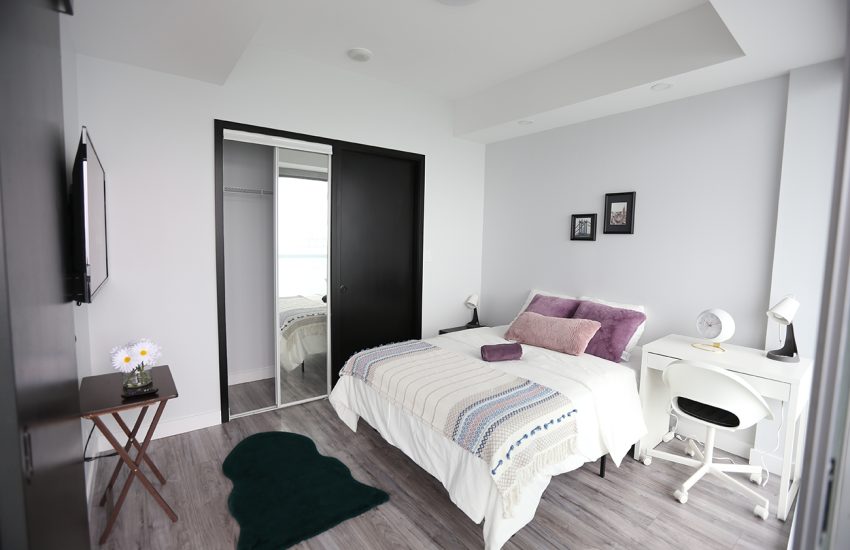
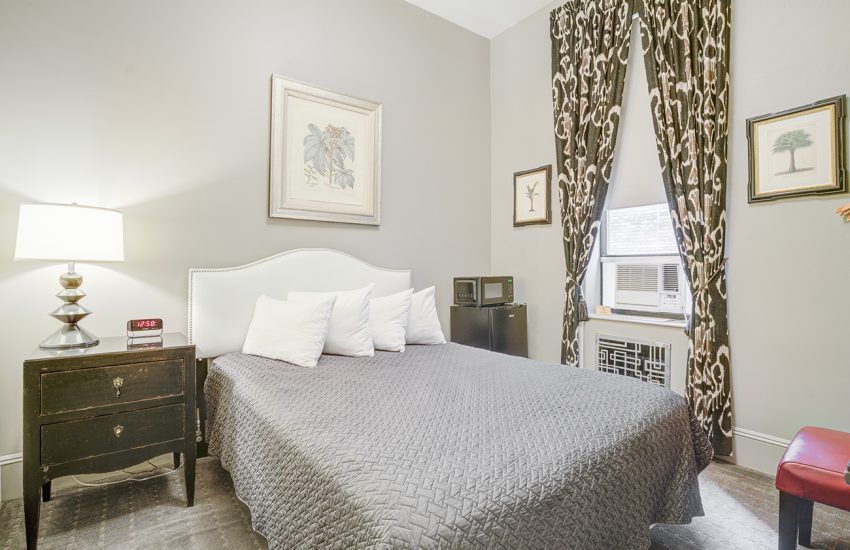
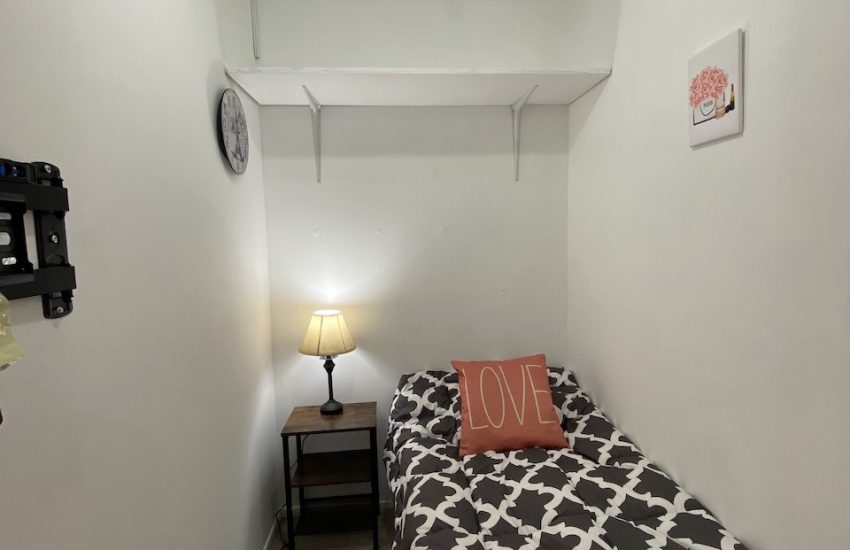
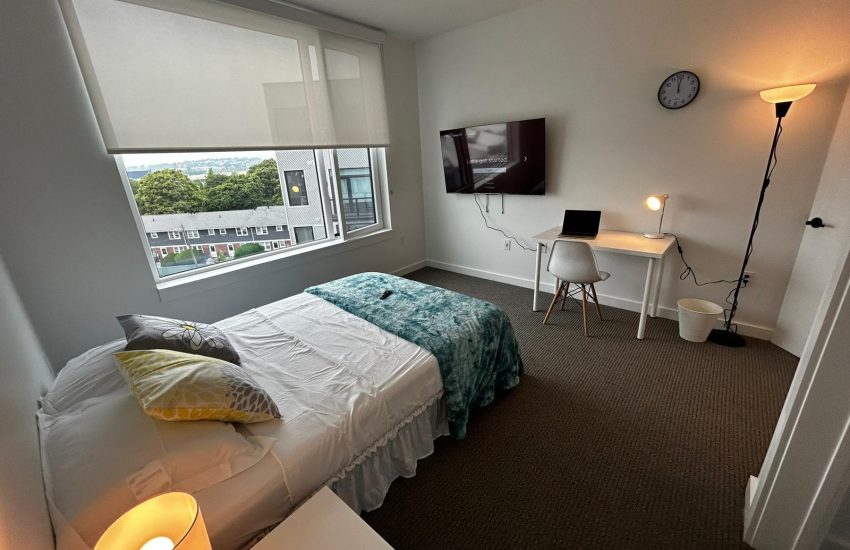
Scammers frequently steal photos from Airbnb listings, real estate sites, interior design blogs, and even other rental platforms. Several signs indicate the photos aren’t actually of the property being listed:
- The images look professionally staged rather than lived-in, too clean, too perfectly lit
- There’s no exterior photo of the actual building, or the exterior looks inconsistent with the interior style
- Photos show inconsistent architectural details, furniture quality, or room proportions across different shots
- Watermarks have been awkwardly cropped out or blurred
- A reverse image search on Google Images or TinEye returns the same images on multiple unrelated sites, particularly on Airbnb, Zillow, or Realtor.com at a different address
Run a reverse image search on at least three photos from every listing you’re seriously considering. Right-click any listing photo, select “Copy image address,” and paste it into images.google.com using the camera icon. This process takes under 60 seconds and is one of the most reliable free verification tools available to any renter.
5. Vague, Generic Property Descriptions
Real landlords know their property intimately. Descriptions that could apply to any room in any city, “cozy room, great location, near public transport, all amenities included”, suggest the person writing them has never been inside the property. The absence of specific, verifiable details is intentional: it keeps the scam portable across multiple cities and listings simultaneously. Test this immediately. Ask specific questions in your first message: What is the cross-street? Which subway station is closest? How many people currently live in the house? What does the kitchen look like? Scammers working from a copied template cannot answer questions about a property they don’t own without a noticeable delay and generic deflection.
6. Requests to Move Communication Off-Platform
If a landlord asks you to email them directly, text a personal phone number, or switch to WhatsApp immediately after initial contact on a listing platform, proceed with caution. Legitimate platforms log communications for fraud detection and dispute resolution purposes. Moving off-platform eliminates your paper trail and removes any platform-level protection mechanisms. It also isolates you in an unmonitored channel where pressure tactics, false urgency, and manipulative communication are easier to sustain. As a general rule: keep all communication on-platform until you have independently verified the landlord’s identity and the property’s existence.
7. No Verifiable Online Presence for the Landlord
Search the landlord’s full name alongside the property address. If they own rental property, there will almost always be some kind of public record, county property tax records, a LinkedIn profile, local news, even a Google Maps review they’ve responded to as a business owner. A landlord managing multiple properties often has some kind of web presence. A landlord who appears to have zero verifiable digital footprint connected to that address should trigger additional verification steps before you proceed with any aspect of the application process.
8. The Lease Agreement Looks Wrong
Scammers sometimes send fabricated lease documents to appear credible. A fake lease creates the impression of a professional, above-board landlord, which is why identifying these takes more attention than identifying a price anomaly. Watch for:
- Misspelled legal terms or clauses that don’t make grammatical or legal sense
- A property address in the lease that doesn’t match the listing address exactly
- A landlord name that doesn’t match any public ownership record you can find
- Missing standard clauses, no notice period, no deposit return conditions, no maintenance responsibilities
- Requests to sign via an unofficial email attachment rather than a recognized e-signature service like DocuSign or HelloSign
- An urgency deadline on signing, “you must return this signed lease within 12 hours or I’ll offer it to someone else”
9. The Overpayment Scam Variation
In this variant, most common in situations where the scammer plays the landlord accepting an out-of-town tenant, the scammer sends a cashier’s check or money order for more than the agreed deposit and asks you to wire back the difference. The scenario sounds plausible: an honest mistake, a check from an employer that was already cut, a payment mix-up. The check bounces days or weeks later. By then, you’ve already sent real money from your own account. If anyone sending you funds asks for any portion back before you have definitive confirmation that their original payment has fully cleared your bank, not just appeared as a pending credit, stop all contact immediately.
10. The Property Cannot Be Confirmed to Exist or Be Available
Run the exact property address through Google Maps Street View. Confirm the building physically exists, matches the exterior described in the listing, and is the type of structure that would contain the advertised room type. Some scammers list the addresses of real buildings they have no connection to whatsoever, relying on the fact that most renters don’t verify property ownership records. A quick search of the address in your county’s public property records database takes under five minutes and tells you the legal owner of the property.
Additional Scam Indicators Worth Knowing
Unusual or Non-Reversible Payment Methods
Wire transfers, cryptocurrency, gift cards, and peer-to-peer payment apps like Zelle and Cash App share one critical feature: they offer virtually no fraud protection and are nearly impossible to reverse after the fact. These are the preferred payment rails for rental scammers worldwide because once you send funds through these channels, recovery requires the scammer’s voluntary cooperation or intervention by law enforcement, neither of which is likely. A landlord who refuses all standard payment options and insists exclusively on these methods should be treated as an immediate red flag, regardless of how legitimate everything else about their listing appears.
Communication Patterns That Feel Off
Many rental scam operations run across multiple countries simultaneously, using templated message scripts and sometimes automated responses. If the landlord’s messages feel robotic, fail to directly address the specific questions you asked, use oddly formal or archaic phrasing inconsistent with how a local landlord would typically write, or arrive at impossible times (3 AM responses to every message, regardless of claimed time zone), treat these as yellow flags that warrant deeper verification before proceeding.
The Recycled Listing
Some scammers cycle the same fraudulent listing, posting it, having it flagged and removed, then reposting under a slightly different title, different price, or different photo set. If you’ve seen what appears to be the same property or description appear multiple times with different landlord names or contact information, report it to the platform. These recycled listings are a clear sign of a bad-faith operation.
What to Do If You Encounter a Fake Listing
- Stop all financial engagement immediately. Do not send any money, fill out any payment forms, or provide financial account details under any circumstances.
- Document everything you have, screenshots of the listing, all messages, any documents received. This record is useful for reporting and may be valuable if you’ve already sent money.
- Report to the platform. Use the flag or report feature on the listing page. Include as much detail as possible, the more information you provide, the faster the platform can act and protect other renters.
- Report to the FTC at reportfraud.ftc.gov (US residents) or to Action Fraud at actionfraud.police.uk (UK). Filing a report adds to aggregate fraud data that helps law enforcement identify patterns.
- Warn the community, if you found the listing through a Facebook group or community forum, post a warning with whatever details you can share safely.
- If you’ve already sent money, contact your bank or payment provider immediately. Wire transfers and bank transfers are difficult to reverse but not always impossible, especially if you act within 24 hours. Some banks have fraud recovery protocols for exactly this scenario.
How Verified Platforms Reduce Scam Risk
The most reliable structural protection against room rental scams is using a platform that verifies listings and providers before they become searchable. On BookingQuad, providers submit identity documentation and property evidence as part of the listing process. Verified listings are clearly marked in search results. All communication between tenants and providers stays on-platform, preserving your paper trail. Auto-expiry prevents stale listings from lingering and being repurposed by bad actors. None of this replaces your own due diligence, but it significantly raises the barrier for fraudulent operators who depend on anonymity and speed.
The Bottom Line
Room rental scam red flags rarely appear in isolation. A listing with one unusual element might just be an unconventional landlord. A listing with three or four indicators from this list is almost certainly fraudulent. Trust your instincts, if something feels off at any point in the process, it usually is. A legitimate landlord will never penalize you for asking to verify their identity, see the property before paying, or take a day to review a lease before signing. Those are reasonable requests. Anyone who treats them as obstacles is someone you don’t want to rent from.
Scammers concentrate where demand is hottest, which in our markets means London, New York and Toronto. Before committing to anything, run the full process in our step-by-step listing verification guide.
Ready to browse rooms you can actually trust? Explore verified room listings on BookingQuad, real photos, confirmed providers, and a search experience designed to protect you from day one.