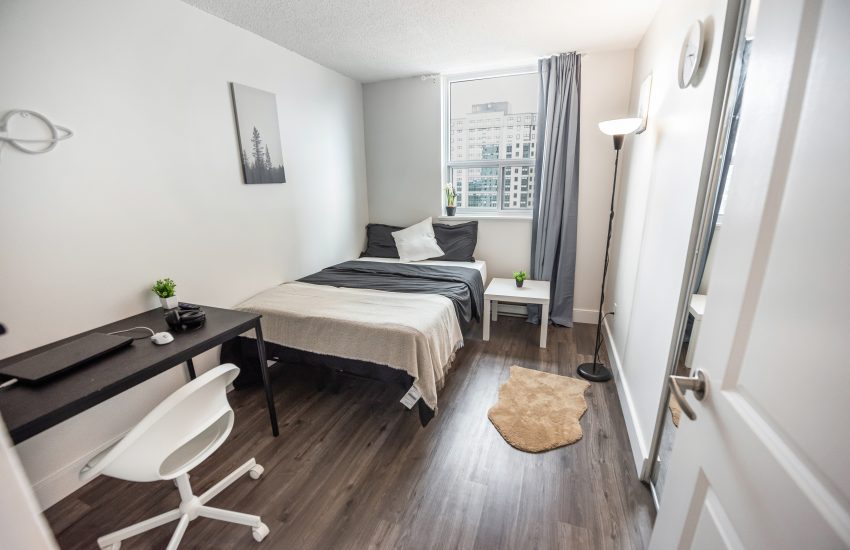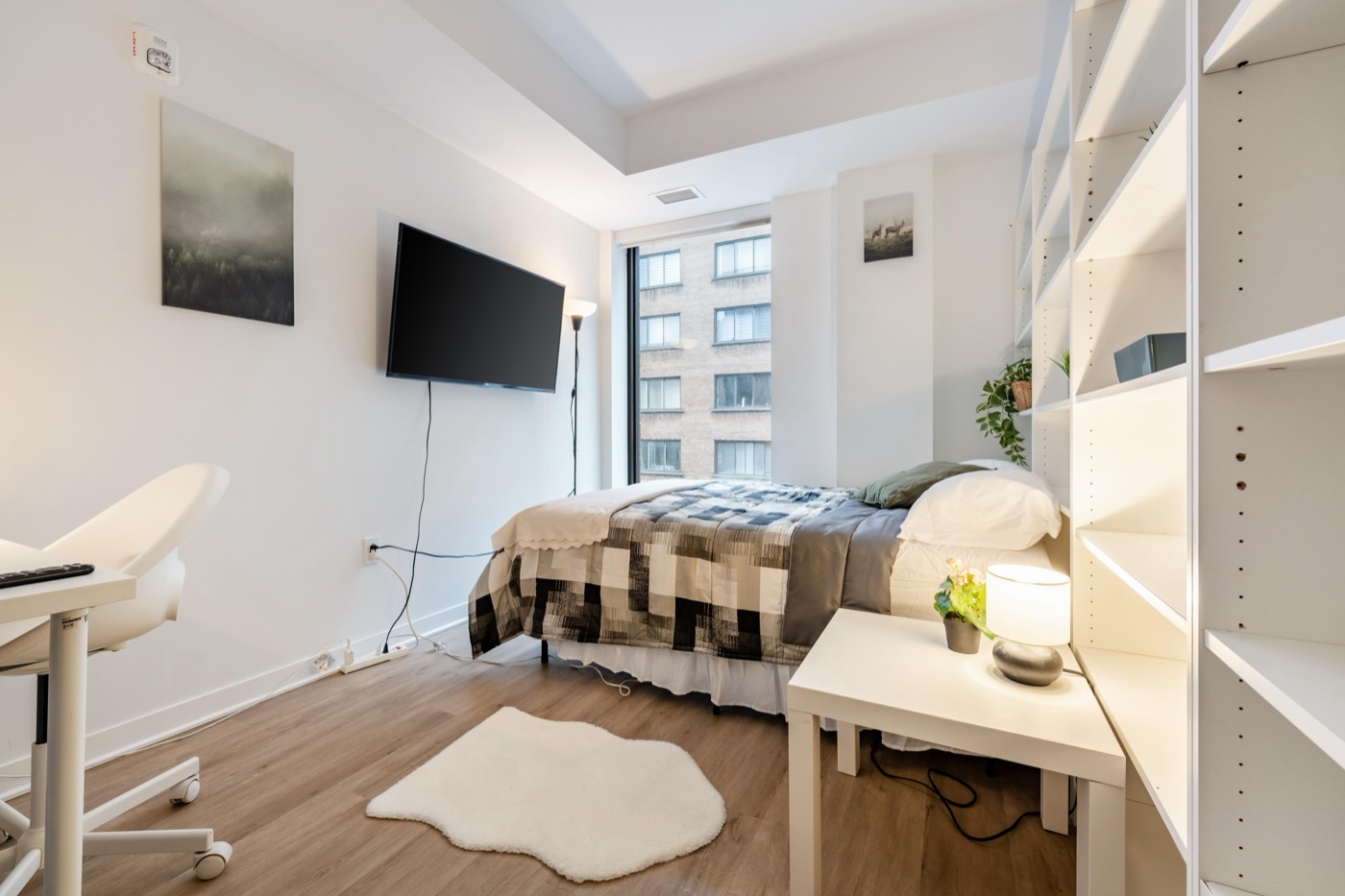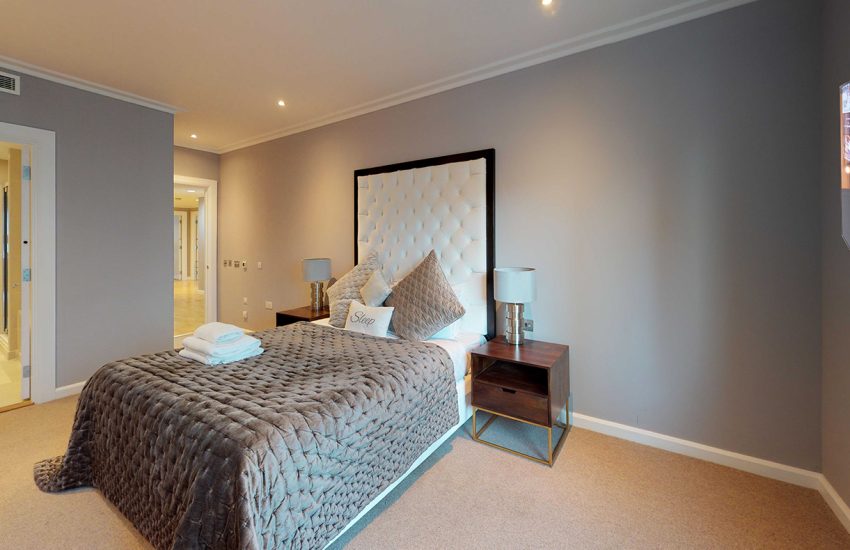
London rents are quoted weekly, deposits are protected by law, and the unfurnished route means setting up council tax, energy, water and broadband yourself, in that order, from abroad, before you have a UK bank account. This is why furnished all-inclusive rooms are the standard landing pad for people new to the city.
Where our London homes are
Canary Wharf is London's second financial centre, on the Jubilee line and the Elizabeth line. Our Baltimore Wharf residence sits a minute from the water; rooms here suit finance and consulting placements who want a short walk to work and a fast line to the West End.
Our other London residences follow the same pattern as the rest of our portfolio: shared homes with Flex, Deluxe and Master-with-ensuite tiers, professionally cleaned common areas, and all bills folded into one weekly price.
What it costs
Furnished private rooms in London on BookingQuad currently range from £235 to £395 per week. That price includes utilities, council tax where applicable, high-speed Wi-Fi and scheduled cleaning of shared spaces, with no booking fees. Compare that honestly with an unfurnished flatshare: by the time you add bills, broadband and furniture to a bare room, the gap is usually far smaller than the headline rents suggest.
Newcomer traps to avoid
Never pay a holding deposit to anyone who will not do a live video viewing; check that a listing's address actually exists on a map; and be wary of prices dramatically below the ranges above, London scams almost always start with a too-good price. Our guide to room rental scam red flags covers the full checklist.
Cost of living beyond rent
With rent, bills and council tax wrapped into one weekly price, the rest of a London budget becomes much easier to see. Transport is the next biggest line: contactless fares cap at around £9 a day in Zones 1-2, and most renters working near home spend £120 to £180 a month. Groceries run £200 to £280 a month for one person if you shop at the big supermarkets rather than the corner shops.
The famous costs are social. A pint is £6 to £7.50 across most of Zone 2 and more in the City, a casual dinner £20 to £35, and a takeaway coffee £3.50 to £4.50. Lunch is where office workers quietly lose money: a £6 meal deal habit versus a £12 salad habit is well over £100 a month of difference. In total, a renter in a £300 per week room can run a comfortable London month on roughly £2,000 to £2,300 all-in, and knowing the housing half of that number is fixed removes most of the anxiety.
Neighbourhoods in more depth
Canary Wharf surprises people who only know its skyline. Beneath the towers sits a full shopping mall network, waterside pubs on the old docks, and the roof garden at Crossrail Place. Baltimore Wharf, on the Isle of Dogs side, is quieter than the estate itself: residential towers, water on three sides, and the DLR a short walk away. Weekends here are calm, which suits some people perfectly and bores others; it helps to know which you are before booking.
The wider east London picture matters too. One stop west, Canada Water and Surrey Quays offer parks and a slower pace, and the DLR south lands you in Greenwich for the market and the observatory. Going north and east, the Elizabeth line has pulled Stratford and the Olympic Park within easy reach.
For renters in our central London homes the calculation is different: you are paying to walk to work or study, and the West End, the universities and the hospitals are the usual reasons. One rule of thumb holds across the whole city: proximity to a fast line matters more than proximity to the centre.
Getting around
Zones 1-2 cover almost everywhere a newcomer works or studies. Contactless bank cards cap daily fares automatically, so you do not need to figure out ticketing before you arrive.
A few specifics worth knowing: the Elizabeth line has transformed east-west travel, with Canary Wharf to the West End now about 15 minutes; the Jubilee line runs a similar route slightly slower; and night buses plus the night tube on key lines cover the weekends. Santander Cycles are the cheap option for short hops, and walking is underrated, since central London is smaller than the map suggests.
How UK billing works, briefly
Understanding what "all-inclusive" replaces makes the value easier to judge. A standard UK house-share splits five separate obligations: council tax (a local tax billed per household, hundreds of pounds a year each once split), gas and electricity (billed by usage plus daily standing charges), water, and broadband on its own 12 to 24 month contract. Every one of them wants a UK address, most want a UK bank account, and utility debts follow the named account holder, not the house. When a BookingQuad room folds all of that into one weekly price, it is not just convenience; it removes the part of UK renting that genuinely cannot be done properly from abroad.
As for who our London homes suit best: graduate scheme starters and placement-year students who know their end date, international arrivals who want a working home before they understand the city's geography, and anyone relocating for a contract of 3 to 12 months. London rewards people who commit to a neighbourhood slowly. A furnished room lets you audition the city first, then sign a longer lease once you actually know whether you are an east London person or a south London person, a distinction locals take seriously.
London renting FAQ
How much does a furnished room cost in London?
Rooms on BookingQuad currently range from £235 to £395 per week, including utilities, council tax where applicable, high-speed Wi-Fi and cleaning of shared spaces, with no booking fees.
Why is London rent quoted weekly?
Convention. To compare with a monthly figure, multiply the weekly rent by 52 and divide by 12: £300 per week works out to about £1,300 per month.
Do I need a UK bank account or credit history to book?
No. That is much of the point of furnished renting: you can book from abroad before your UK financial life exists, then sort out banking after you arrive.
Is my deposit protected?
UK law requires deposits on standard tenancies to be held in a government-approved protection scheme. Whatever you book, with us or anyone else, confirm which scheme will hold your deposit before you pay it.
Which area should a Canary Wharf worker choose?
On the estate or at Baltimore Wharf for the walk to work, or anywhere on the Jubilee or Elizabeth lines if you would rather live somewhere livelier and commute 15 to 25 minutes.
Browse London listings
Every current London room, with live pricing, is on our London city page. Send an enquiry from any listing with your move-in date and length of stay, and our team replies within one business day.